Integrating LinkedIn and Cold Email Outreach: A Step-by-Step Playbook for Consistent Qualified Lead Generation
Adeyinka Adefila
Founder, Distro · October 30, 2026
Consistent qualified lead generation remains one of the most pressing challenges for founder-led B2B SaaS companies, agencies, and consultancies. Integrating LinkedIn outreach software with cold email campaigns offers a powerful way to reach ideal buyers through multiple channels without the overhead of building a large sales or marketing team. By combining these outreach methods into a unified system, founders can automate personalized communication at scale while maintaining control and precision.
Imagine a founder who identifies a niche segment of potential customers on LinkedIn but struggles to convert connections into meaningful conversations. By pairing LinkedIn outreach software with cold email, they can engage prospects with personalized messages on LinkedIn and follow up via email, creating a seamless multi-touch cadence that feels natural rather than intrusive.
Key Takeaways
- Integrating LinkedIn outreach with cold email creates a multi-channel approach that increases response rates and lead quality.
- Automation and personalization are essential to scaling outreach without losing authenticity.
- A unified platform designed for founders replaces fragmented tools and reduces complexity.
- Identifying and targeting ideal buyers precisely improves efficiency and ROI.
- Consistent execution over time builds a predictable and repeatable lead generation system.
Why Combine LinkedIn Outreach Software with Cold Email?
LinkedIn outreach and cold email each have strengths that complement one another. LinkedIn offers a professional context where prospects expect networking and business conversations. Cold email, on the other hand, allows for direct, personalized messages that land in a prospect’s inbox, often with more space to articulate value.

Using these channels in isolation can limit reach or engagement. LinkedIn messages alone may be overlooked due to platform noise or connection limits. Cold emails alone risk being ignored or caught in spam filters. Together, they create a rhythm of touchpoints that reinforce your message and build familiarity.
For example, a founder targeting SaaS product managers might first send a tailored LinkedIn connection request referencing a recent industry trend. Once connected, a follow-up message can introduce a relevant solution. If there is no response, a cold email can follow with a more detailed explanation and a call to action. This layered approach respects the prospect’s communication preferences and increases the likelihood of a reply.
Moreover, LinkedIn's interface allows for social proof elements such as endorsements, mutual connections, and shared groups, which can be leveraged to establish credibility early in the outreach process. Cold email complements this by enabling longer-form content, attachments, or links to case studies and demos that are less suited to LinkedIn's messaging format.
The combination also mitigates the limitations inherent in each channel. LinkedIn's daily connection request limits and message restrictions can slow outreach volume, while cold email's deliverability challenges and inbox competition can reduce open and response rates. Together, they balance volume with quality and engagement.
Identifying Your Ideal Buyers with Precision
Before launching any outreach, clarity on your ideal buyer profile is critical. This means defining the company size, role, industry, and pain points that align with your product or service. Without this focus, outreach efforts scatter resources and dilute impact.
Founders often rely on LinkedIn’s search filters and data enrichment tools to zero in on decision-makers and influencers. Combining this with cold email lists that match the same criteria ensures your messages reach the right inboxes and profiles.
Consider a small consultancy founder who wants to target marketing directors at mid-sized B2B SaaS firms. By setting these parameters upfront, they can build a list of prospects to engage on LinkedIn and via email, ensuring every outreach is relevant and personalized.
Developing an ideal buyer profile (IBP) involves more than demographic data. It requires understanding the motivations, challenges, and buying behaviors of your target audience. For example, a SaaS founder might discover that product managers at mid-market companies prioritize integration capabilities and customer support responsiveness. Incorporating these insights into your outreach messaging increases resonance.
To refine your IBP, analyze existing customers or conduct interviews with prospects to identify common traits and objections. This research informs not only targeting but also message crafting, ensuring outreach feels relevant rather than generic.
Additionally, consider the buyer’s journey stage. Early-stage prospects may respond better to educational content or problem awareness messaging, while later-stage prospects might engage with detailed product benefits or trials. Segmenting your outreach accordingly improves conversion rates.
Crafting Personalized Outreach at Scale
Personalization remains the cornerstone of effective outreach, yet it can be time-consuming when done manually. Integrating LinkedIn outreach software with cold email platforms allows founders to automate personalization based on buyer data and behavior.
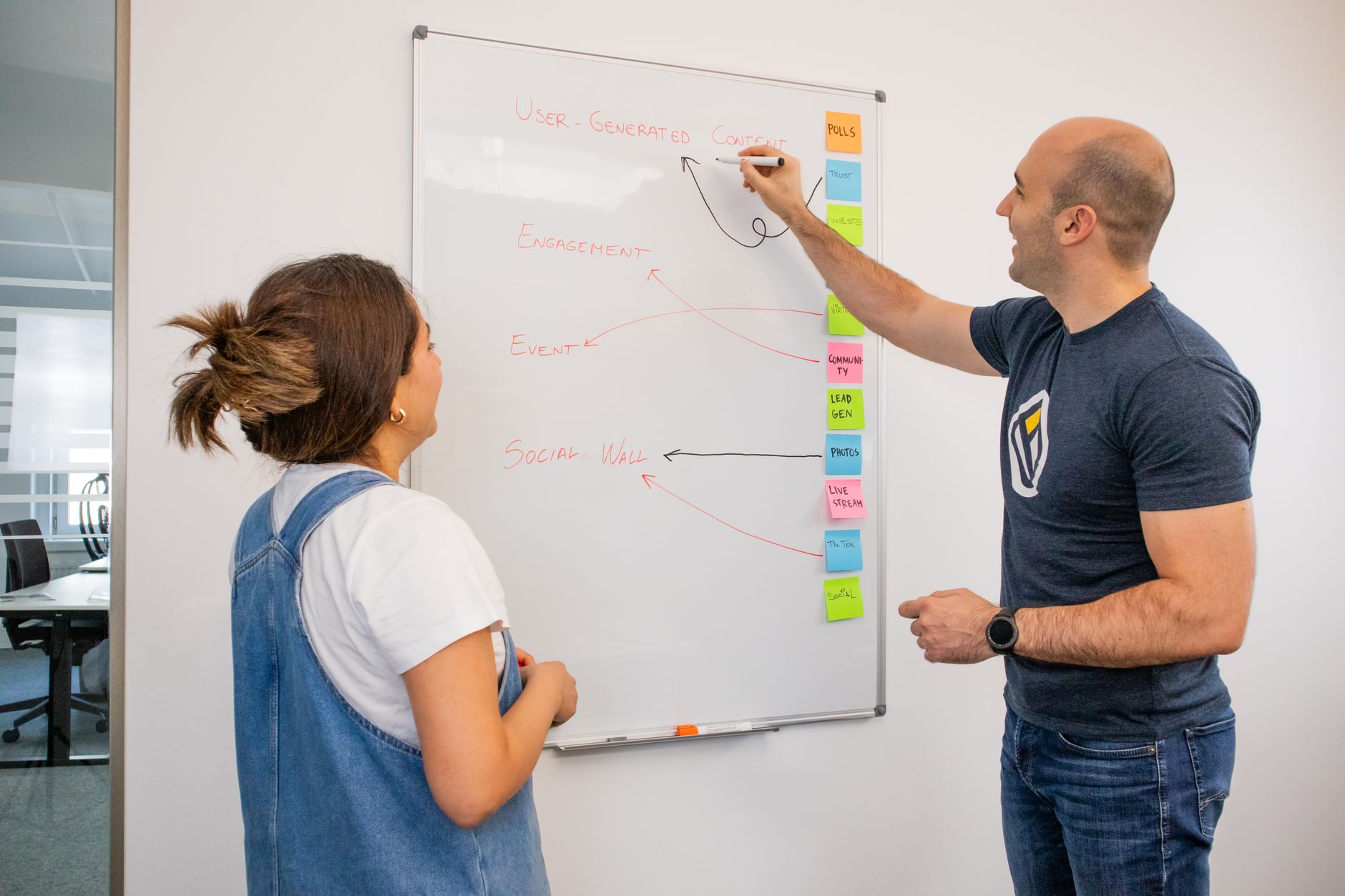
A unified platform enables dynamic insertion of details such as company name, recent news, or mutual connections into both LinkedIn messages and emails. This consistency reinforces the message and shows genuine interest.
For instance, a founder might automate a sequence where a LinkedIn message references a prospect’s recent product launch, followed by a cold email that highlights how their solution complements that launch. This layered personalization feels less like mass outreach and more like a thoughtful conversation starter.
Effective personalization goes beyond simply inserting a name or company. It involves tailoring the message to reflect the prospect’s context, challenges, and goals. For example, referencing a recent blog post the prospect shared or commenting on a relevant industry trend demonstrates attentiveness.
Automation tools that integrate LinkedIn and email outreach can pull in real-time data, such as changes in job title or company news, to keep messages timely. This dynamic personalization increases the chance of engagement.
However, founders must balance automation with authenticity. Overly templated messages can feel robotic and deter responses. Including open-ended questions or invitations to share feedback can foster two-way communication.
Scaling personalization also means designing multi-step sequences that vary messaging tone and content across channels. For example, a LinkedIn message might be conversational and brief, while the follow-up email provides more detailed information and a clear call to action.
Building a Predictable, Repeatable Lead Generation System
The true power of integrating LinkedIn and cold email outreach lies in creating a system that runs reliably over time. Consistency in execution nurtures brand recognition and trust, which are essential for converting qualified leads.
Founders benefit from platforms that unify outreach channels, enabling them to monitor engagement, adjust messaging, and scale campaigns without juggling multiple tools or freelancers. This reduces complexity and frees time to focus on closing deals.
Imagine a founder who sets up a weekly cadence of LinkedIn connection requests, follow-up messages, and cold emails all managed from one dashboard. Over months, this approach steadily fills the pipeline with warm conversations, eliminating guesswork and last-minute scrambles.
A predictable system also allows for data-driven optimization. Tracking metrics such as connection acceptance rates, message response rates, and email open and reply rates provides insight into what resonates with your audience. Adjusting messaging, timing, and targeting based on this data improves outcomes.
Moreover, a repeatable system reduces reliance on sporadic bursts of outreach, which can lead to feast-or-famine lead flow. Instead, it creates a steady pipeline that supports sustainable growth.
Founders should also build in regular review cycles to assess campaign performance, update buyer profiles, and refresh messaging. This iterative approach keeps outreach relevant as markets and buyer preferences evolve.
Avoiding Common Pitfalls in Multi-Channel Outreach
While integrating LinkedIn and cold email outreach offers many advantages, it requires thoughtful execution to avoid pitfalls. Over-automation can lead to impersonal messages that alienate prospects. Similarly, sending outreach too frequently risks being perceived as spam.
Founders should prioritize quality over quantity, focusing on meaningful personalization and respectful timing. Testing messaging variations and monitoring response rates helps refine the approach. It is also important to maintain compliance with platform policies and email regulations.
For example, a founder might notice that LinkedIn messages sent on weekdays yield higher engagement than weekend attempts. Adjusting the schedule accordingly improves results without increasing volume.
Another common mistake is neglecting to manage the prospect’s journey across channels. If a LinkedIn message goes unanswered, a cold email should not simply repeat the same content but rather offer additional value or a different angle. This layered approach respects the prospect’s time and attention.
Founders should also be mindful of platform-specific rules. LinkedIn restricts the number of connection requests and messages to prevent spam, and cold email campaigns must comply with regulations such as CAN-SPAM and GDPR. Violations can lead to account restrictions or legal consequences.
Finally, it is crucial to monitor and respond promptly to inbound replies. Multi-channel outreach can generate conversations across LinkedIn and email, and timely, personalized follow-up is key to converting interest into qualified leads.
How an Integrated SaaS Platform Supports Founders and Small Teams
Platforms designed specifically for founders and small B2B teams streamline the entire process of identifying buyers, personalizing outreach, and publishing SEO-optimized content to attract inbound leads. Such a platform replaces the need for multiple disconnected tools and freelancers, saving time and reducing complexity.

By automating and unifying outbound and inbound lead generation, founders build a predictable, repeatable customer acquisition system without hiring dedicated sales or marketing staff. This approach empowers small teams to compete effectively with larger organizations.
Imagine a founder who uses a single platform to identify ideal buyers, send personalized LinkedIn and cold email sequences, and publish content that draws inbound interest. This integration ensures no leads slip through the cracks and every outreach is aligned with broader marketing efforts.
An integrated platform also provides centralized analytics, enabling founders to see which outreach sequences and content pieces generate the most engagement and pipeline value. This holistic view informs smarter resource allocation and strategy refinement.
Moreover, by combining SEO and AI-optimized content publishing with outreach, founders can attract inbound leads that complement outbound efforts. This dual approach reduces dependence on cold outreach alone and builds brand authority over time.
Such platforms are designed with usability in mind, recognizing that founders and small teams often lack dedicated marketing or sales specialists. Intuitive interfaces, pre-built templates, and guided workflows reduce the learning curve and accelerate time to value.
Practical Example: A Founder’s Multi-Channel Outreach Playbook
Consider a founder at an AI startup targeting product managers at mid-market SaaS companies. They begin by defining their ideal buyer profile and building a prospect list using LinkedIn filters and verified email databases. Using an integrated platform, they launch a sequence:
First, a personalized LinkedIn connection request mentioning a recent industry report. Upon acceptance, a follow-up LinkedIn message introduces their AI solution’s relevance to the prospect’s challenges. If no response, a cold email follows up with a case example and invitation to a brief call.
This sequence runs automatically but includes dynamic personalization tokens to keep messages relevant. The founder monitors engagement metrics and adjusts messaging based on response patterns. Over time, this multi-channel approach generates a steady flow of qualified conversations without additional hires or tool juggling.
In practice, the founder might discover that prospects respond better to messages referencing specific pain points such as data integration challenges rather than generic AI benefits. They adjust the sequence accordingly, improving engagement.
The founder also uses the platform to publish SEO-optimized articles addressing common industry questions, which attracts inbound leads. These inbound prospects enter the outreach sequences at a later stage, receiving tailored messages that acknowledge their prior engagement.
This integrated playbook reduces manual effort, ensures consistent follow-up, and leverages multiple touchpoints to build trust and interest.
Conclusion
Integrating LinkedIn outreach software with cold email campaigns offers a practical, scalable path to consistent qualified lead generation for founders and small B2B teams. By unifying these channels within a single platform, founders can automate personalized outreach, reduce complexity, and build a predictable customer acquisition system. This approach respects the prospect’s experience while maximizing reach and relevance.
For founders seeking to replace fragmented outreach stacks and avoid the overhead of large sales teams, embracing an integrated, automated system is a strategic move. Try Distro now to experience how a unified platform can transform your lead generation efforts and help you focus on what matters most: growing your business.
Related reading
- LinkedIn outreach tool with buyer intent signals
- cold email outreach from your Gmail
- why cold DMs fail and what works instead
- how to do LinkedIn outreach without getting restricted
Frequently Asked Questions
Why should founders integrate LinkedIn outreach with cold email campaigns?
Integrating LinkedIn outreach with cold email creates a multi-channel communication strategy that increases the chances of engaging prospects by combining the professional context of LinkedIn with the directness of email. This layered approach improves response rates and lead quality without requiring a large sales team.
How can personalization be automated in LinkedIn and cold email outreach?
Personalization can be automated by using dynamic data tokens such as the prospect’s name, company, recent activities, or industry trends within message templates. An integrated platform tailored for founders allows scaling these personalized messages across LinkedIn and email while maintaining authenticity.
What are common mistakes to avoid when combining LinkedIn and cold email outreach?
Common mistakes include over-automation leading to impersonal messages, sending outreach too frequently which can annoy prospects, and neglecting compliance with platform and email regulations. Founders should focus on quality, respectful timing, and continuous testing to optimize their outreach.
Can small teams manage multi-channel outreach without dedicated sales or marketing staff?
Yes, by using an integrated SaaS platform that automates and unifies buyer identification, personalized outreach, and content publishing, small teams can build a predictable lead generation system without hiring additional sales or marketing personnel.
What role does content publishing play alongside LinkedIn and cold email outreach?
Publishing SEO and AI-optimized content attracts inbound leads that complement outbound efforts. This inbound interest supports a more balanced customer acquisition strategy and reinforces messaging delivered through LinkedIn and cold email outreach.
Related articles
Integrating Cold Email and LinkedIn Outreach: A Founder’s Guide to Consistent Qualified Lead Generation
Founders can unify LinkedIn outreach software with cold email to automate and scale qualified lead generation, creating a predictable customer acquisition system without a large team.
11 min readChannel PlaybooksHow to Do LinkedIn Outreach Without Getting Your Account Restricted
LinkedIn restricts accounts that automate carelessly. Here is how to run consistent, effective outreach that stays under the limits, respects the platform, and still books conversations.
8 min readDistribution StrategyBuyer Intent Signals: How to Find People Ready to Buy on X, LinkedIn, and Reddit
Cold lists guess who might buy. Buyer intent signals show you who is asking for a solution right now. Here are the exact signals to watch for and how to act on them before your competitor does.
8 min read